What younger drinkers want from craft beer
The next ten years of your brand depend on people who have just reached legal drinking age. They drink less often, care what a brand stands for and expect a good option even when they are not drinking. Get that right and you build loyalty early.
Younger drinkers are drinking less but choosing more carefully
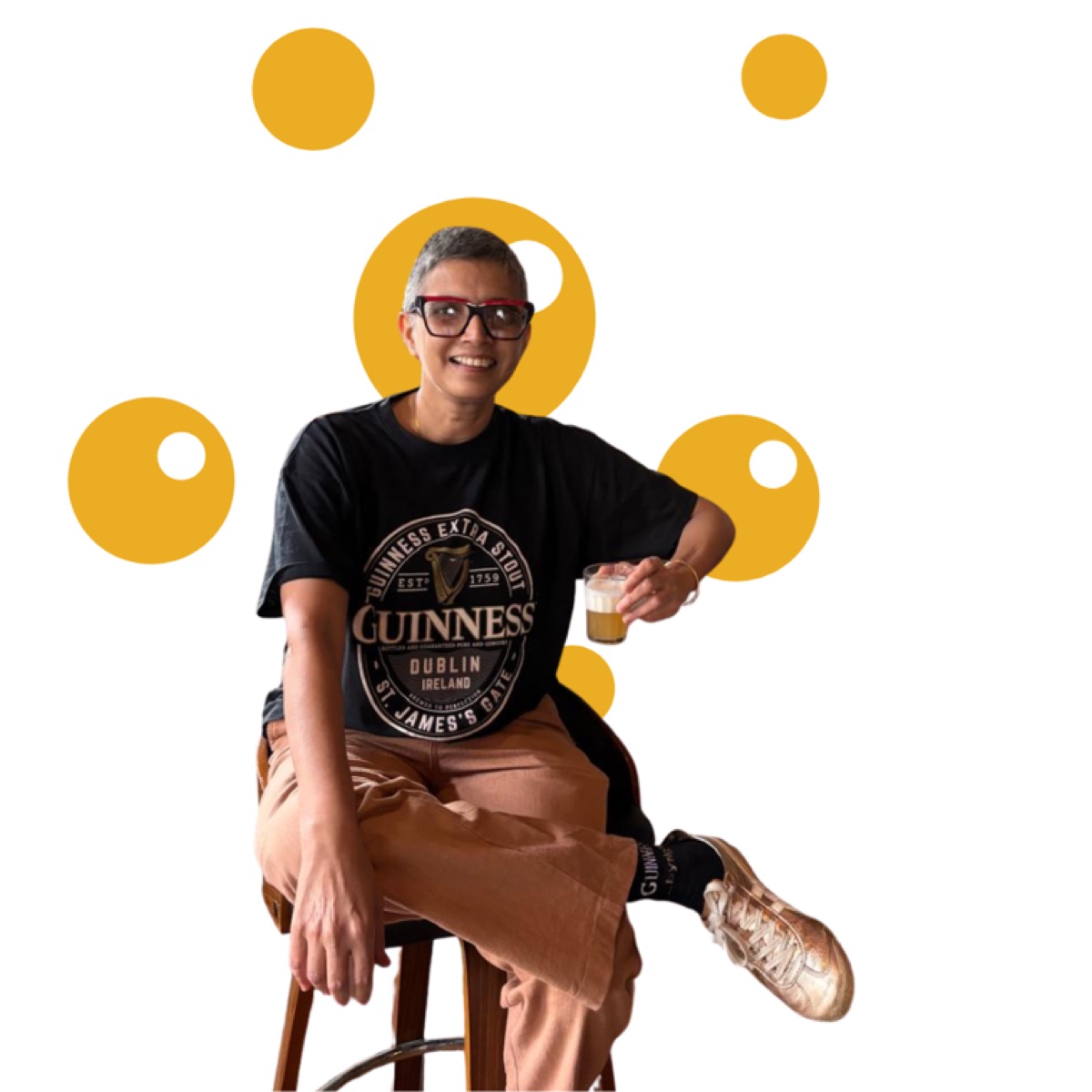
Ask any Bengaluru taproom manager about the Saturday crowd and you will hear the same thing: groups in their twenties who share a flight, order one full glass each and switch to something without alcohol for the drive home. They are not less interested in beer. They are more deliberate about it.
First, the boundary. Throughout this guide, "younger drinkers" means adults above the legal drinking age, which in India is set by each state and ranges from 18 to 25. Nothing a brewery makes or posts should be aimed at anyone below it. Check the age that applies where you sell and build your marketing around the oldest relevant limit if you sell across states.
Lighter, smaller and easier to fit into a weeknight
The shift is towards beers that suit a long evening without a heavy morning. Look at the arithmetic of a single glass:
- 500 ml of a 7% IPA holds 35 ml of alcohol.
- 330 ml of a 4.5% lager or session ale holds about 15 ml.
The second is less than half the alcohol of the first. It is also the kind of glass many younger drinkers now prefer. That makes a strong case for a clean, well-made lager, a session IPA and a smaller pour size on your menu. A good non-alcoholic option is now part of the offer, not a favour to the designated driver.
Familiar flavours, done well, often beat novelty
It is easy to assume younger drinkers want the wildest beer on the board. Many want something comfortable that they can rely on: a crisp lager, a soft wheat beer, a hazy IPA that tastes the same every visit. Novelty works best when it has a familiar handle.
In India that handle is often local: Alphonso mango, kokum in Goa, coffee from Chikmagalur, a beer built to sit beside a plate of biryani or pork vindaloo. One familiar ingredient makes an unfamiliar style feel safe to try.
Price per glass matters more than price per litre
Drinkers early in their careers notice the bill. Work the menu as they read it. Say a 500 ml glass is ₹400, which is ₹0.80 per ml. A 330 ml glass at ₹280 is about ₹0.85 per ml, a slightly better margin for you and a lower bill for them. A flight of four 90 ml tasters, 360 ml in all, at ₹320 lets a group try your range for less than one large glass.
These are illustrative prices, so use your own. The principle holds: offer smaller formats at a fair price per ml and you lose nothing while lowering the cost of a first visit.
They read the brand, not just the label
Younger drinkers check where a brewery sources its grain, how it treats its staff and what it does with its spent grain. Reported in The New Brewer, the Brewers Association's journal, US research found 57% of Gen Z make an effort to buy products that support causes they care about. That is a US figure and there is no equivalent Indian survey we would rely on, but brewers here report the same instinct at the bar.
The catch is that they spot borrowed causes quickly. Talk about what you actually do, with numbers: litres of water per litre of beer, spent grain sent to local farms, the women on your brewing team. If there is nothing to say yet, say nothing until there is. Our guide on naming a beer brand covers building a story that is true from day one.
Responsible marketing is not optional
Direct advertising of alcohol is heavily restricted in India and the rules change, so check the current position before any campaign. Beyond the law, a few lines every craft brand should hold:
- Age-gate your website and social accounts.
- No promotions at colleges, coaching centres or student events. No cartoon characters or sweets-style packaging.
- Use people in your images who are clearly well above drinking age.
- Never link drinking to grades, sporting success or getting drunk faster. Show the beer with food, friends and a ride home.
This is where packaging and branding decisions become a responsibility. It is also where a short course earns its keep.
Where to start
Look at your current tap list and count how many beers are under 5% ABV, how many come in a glass smaller than 400 ml and whether there is one non-alcoholic choice you would be proud to serve. If any of those counts is zero, that is your next brew, your next menu change or your next supplier call.
Common questions
What is the legal drinking age for beer in India?
It is set by each state and ranges from 18 to 25. Some states set different ages for beer and spirits. Check the current rule in every state where you sell.
Are younger Indians drinking less alcohol?
Brewers and taproom staff widely report more moderate, more deliberate drinking among drinkers in their twenties. We are not aware of a reliable Indian survey that measures it, so treat claimed numbers with care.
Should a craft brewery make a non-alcoholic beer?
Many now see it as part of a complete menu, so groups with a driver or a non-drinker still choose your taproom. It needs proper process control and food safety care to brew well.